

運動星球
 + '&media=' + encodeURIComponent('https://www.sportsplanetmag.com/public/article/atl_m_20190325161608_141.jpg'), '_blank');)
SKECHERS推出BOBS加菲貓鞋款 結合9/9加菲貓公益健走
2018-08-17
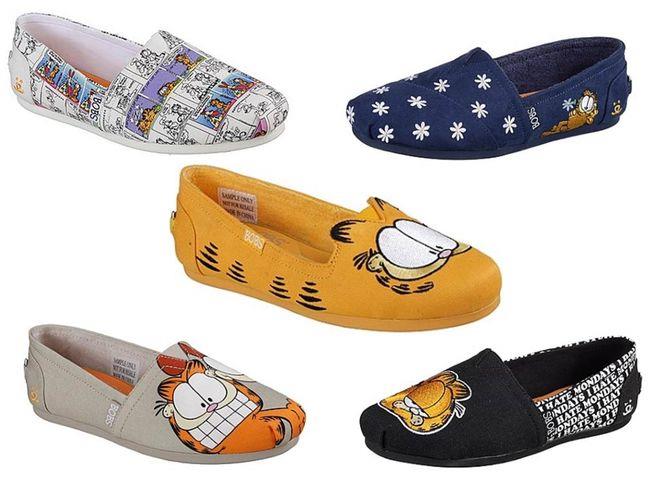
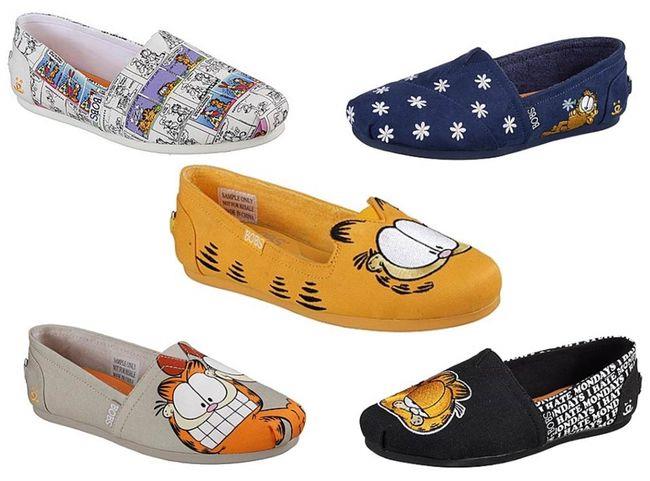
加菲貓是許多人童年的珍貴回憶,懷念加菲貓嗎?今年是加菲貓40歲大壽,SKECHERS特別推出加菲貓聯名BOBS鞋款,讓你隨身把加菲貓、歐弟穿著走。不僅如此,「2018 SKECHERS加菲貓公益健走活動」即將於9月9日在台北圓山花博公園登場,現正進入最後報名倒數,快帶著家中毛小孩一起報名健走,享受加菲貓的童趣魅力。
SKECHERS推出BOBS加菲貓鞋款 結合9/9加菲貓公益健走
買BOBS鞋款做公益 捐款幫助毛小孩
為了歡慶加菲貓40大壽,SKECHERS推出BOBS鞋款,各樣式以不同素材呈現滿滿的加菲貓。有樣式重溫經典漫畫,直接將彩色與黑白的四格漫畫印在鞋上;有的是加菲貓和歐弟的大臉或全身模樣;也有整隻鞋子設計成加菲貓全身的樣式,充滿童趣。
此外,SKECHERS與美國好朋友動物協會(Best Friends Animal Society)攜手合作,消費者只要購買BOBS鞋款,就代表捐款給該協會,以實質的方式幫助庇護所內的毛小孩。
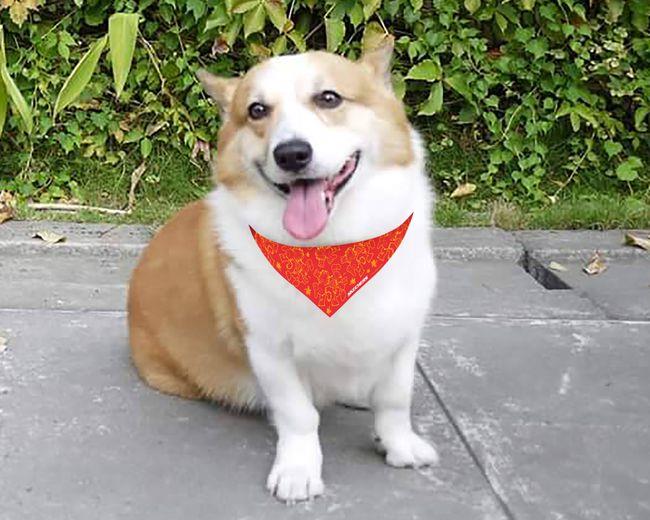
購買BOBS鞋款就代表捐款幫助庇護所內的毛小孩(圖為加菲貓公益健走活動報名贈品-寵物識別領巾)
2018 SKECHERS加菲貓公益健走活動 最後報名倒數
健走活動由SKECHERS總代理思克威爾公司舉辦,號召全台喜歡加菲貓的粉絲與家中有毛小孩的飼主共同參與,以行動支持保護動物的理念。因主辦單位觀察到民間的動物收容處所,時常因經費不足發生斷糧危機,持續捐款新台幣三十萬元給「中華民國保護動物協會」支持「寵物食物銀行計劃」,希望拋磚引玉引起民眾關注收容動物問題。
健走活動將於9月9日一大早在台北圓山花博公園開走,而活動代言人加菲貓本尊也不遠千里來台和大家見面,一起大步健走為毛小孩發聲。此外,會場特別規劃有別於以往的舞台及攤位活動,讓毛小孩的飼主們有充分時間在會場中向專業獸醫師及寵物溝通師進行一對一的免費諮詢。
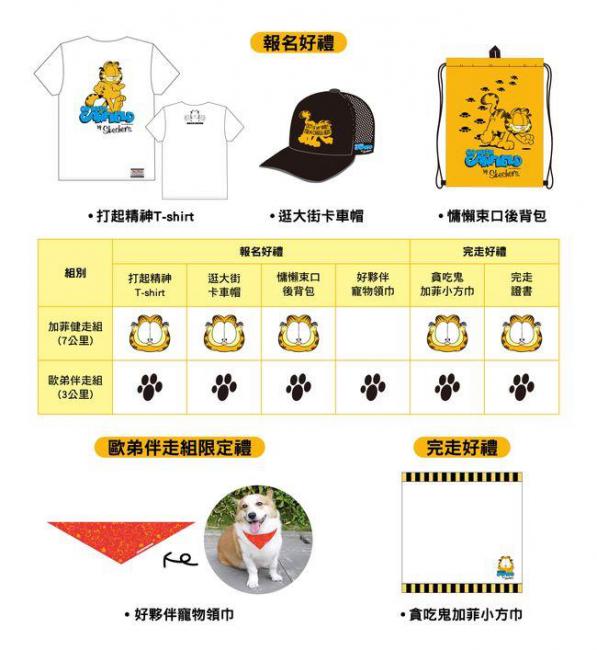
2018 SKECHERS加菲貓公益健走活動贈品圖
主辦單位表示,活動自報名開跑以來報名非常踴躍,更收到很多想帶毛小孩報名「歐弟伴走組」的飼主們來電詢問,因此延長報名時間,不過報名倒數截止,還沒完成報名的粉絲們動作要快!(詳細情形請見報名官網)
資料來源/思克威爾股份有限公司
責任編輯/Dama
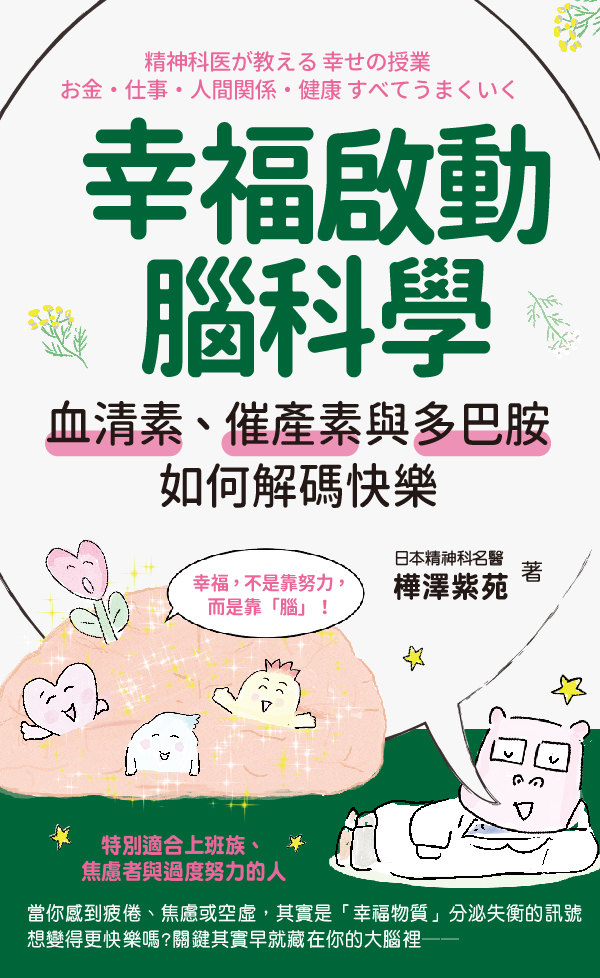

優活健康網
 + '&media=' + encodeURIComponent('https://www.sportsplanetmag.com/public/article/atl_20250618111311_207.jpg'), '_blank');)
不是懶也不是壓力大!工作中突然想睡,當心是罕見猝睡症警訊
2025-06-18
年近50歲的李小姐長年飽受突如其來的嗜睡困擾,常在工作或開會時突然感到極度疲倦,只能仰賴外力與意志勉強維持清醒,長期承受巨大的心理壓力,也嚴重影響了工作表現。直到近日去醫院檢查,經過多項夜間及日間睡眠檢查,最終確診為猝睡症。所幸經透過規律服藥與調整生活作息,目前病情已逐步穩定並受到良好控制。

「白天嗜睡、癱軟、夢境混淆別以為只是累,恐是猝睡症警訊!」雙和醫院神經內科醫師、台北神經醫學中心退化性神經疾病科主任官怡君表示,猝睡症是一種罕見的神經疾病,主因為大腦中樞內控制清醒的「食慾素」分泌不足所致,患者常出現在封閉時間內循環性的、不可抵擋的短暫睡眠發作情形。
突然入睡、出現幻覺當心猝睡症
官怡君說明,猝睡症主要分為兩種型態,研究資料顯示:
第1型:發病高峰多在青春期與20歲出頭,盛行率估計為每10萬人中有25~50人罹患,男女罹患比例相當。
第2型:盛行率約為每10萬人20~34例。
官怡君進一步解釋,猝睡症的典型症狀包括:
白天不由自主入睡
因情緒波動大,肌肉突然無力而導致猝倒症的發生(以第1型為主)
入睡或醒來時出現幻覺
常發生俗稱「鬼壓床」的睡眠癱瘓
另外,患者也因睡眠時間破碎、品質不佳,難獲得深層休息導致精神不濟,常被誤解為懶惰、倦怠、情緒障礙或心理問題等情況。
官怡君指出,李小姐看診時曾分享,先前懷孕時曾在路上突然昏沉入睡,差點造成意外危及生命,或因情緒波動導致四肢無力、癱軟的情形,也常發生夢境與現實混淆,或是出現睡眠癱瘓以為被鬼壓床等症狀,種種症狀讓她以為自己精神出問題,不僅尋求醫療協助,也前往宮廟求神問卜,長久下來身心俱疲。
藥物控制搭配作息調整促進清醒
官怡君強調,猝睡症目前雖無法根治,但已有多項藥物能有效控制症狀。以上述案例來看,初期以短效型的中樞神經活化劑幫助提神,後續待健保申請通過後,改用副作用較低、療效較佳的覺醒促進劑及組織胺H3受體拮抗劑,可幫助促進患者清醒,並搭配規律作息與短暫日間小睡,使清醒時間大幅拉長,生活品質也隨之提升。
官怡君提醒,如長期出現無法抗拒的白天嗜睡、情緒激動時四肢癱軟,或常有入睡幻覺與睡眠癱瘓等徵狀,應提高警覺,及早至神經內科或睡眠醫學門診就診。透過正確診斷與治療,除能確認是否為猝睡症,也有助排除其他如睡眠呼吸中止症等相關疾病。
/ 關於優活健康網 /
《優活健康網》為台灣極具專業權威性的健康知識平台,擁有完整醫療記者與編輯群,提供最正確的就醫認知與醫療知識。
【Uho優活健康網】:http://www.uho.com.tw/
【Uho優活健康網粉絲團】:https://www.facebook.com/uhofbfans/
運動星球
 + '&media=' + encodeURIComponent('https://www.sportsplanetmag.com/public/article/atl_m_20190325161928_988.jpg'), '_blank');)
PUMA BASKET CRUSH 勇敢展現「心」女力態度
2019-01-30
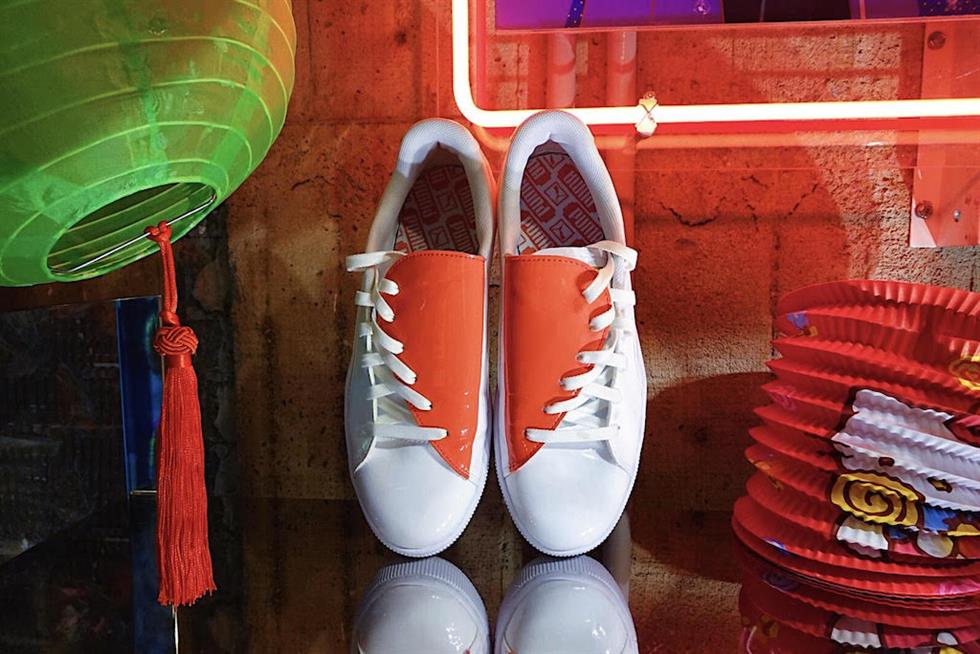
全球知名運動品牌 PUMA 日前藉由其年度女力美鞋 PUMA Basket Crush 的上市,特別邀請性格女力謝欣穎首發響應 #自由說愛 活動,透過 PUMA Basket Crush 特殊不對稱的斜角鞋舌設計,象徵無畏女孩推翻傳統刻板教條,以拼接愛心的創意巧思大膽主張人人都有勇敢說愛的自由與權利,無論妳的樣貌、性別、年紀或國家,當兩顆心真誠相遇,女孩都該放膽說愛,鼓勵新女力勇敢主張愛的真諦。繼謝欣穎於個人臉書PO文發聲後,立即吸引了眾多知名女力代表接續呼應,紛紛在個人 IG 與 FB 等社群平台發文響應,穿上 PUMA Basket Crush 自拍聲援 #自由說愛,燒起全台一陣「心」女力熱潮。PUMA 繼緞帶鞋、蝴蝶結鞋後,成功又再次創造女孩話題,鎖定即將來臨示愛的西洋情人節,藉由 PUMA Basket Crush 要讓女孩們自信地併起腳,突破愛的藩籬,大膽#自由說愛。
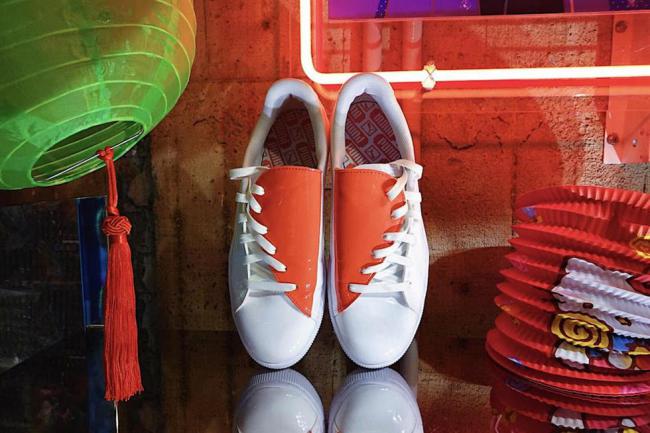
PUMA BASKET CRUSH 勇敢展現「心」女力態度
PUMA引領「心」世代無畏主張 眾多女力代表群起響應
一樣的鞋款,可以展現不同的風格,一樣的愛,也可以有不同的詮釋。PUMA 以火熱上市的「說愛單品 Basket Crush」強調愛的多元形式,多位女力代表在社群中為愛自由發聲,突破傳統教條對於性別、國籍、種族的框架,回歸愛的本質,鼓勵女孩們都有大膽說愛的權利與自由,甫上市即造成社群掃屏的新女力曬鞋新風潮!
藝人、演員、部落客或網路意見領袖,每個人都有對愛的定義,也有自由的追愛故事,潮流女星陳艾熙穿著 PUMA Basket Crush 搭配黑色短袖 T 恤外罩連帽外套,下身以經典羅紋側開短裙展現知性女力魅力,她也分享自己對愛的體悟:「當你愛自己,而且勇敢的表現出來,你的存在就會是個正能量。」;藝人楊晴出演女力報到成為新女力代表,穿著帥氣的運動套裝,她覺得愛不應該受限,而演員的身份更讓她「學習接納、把心打開」,正如同 PUMA Basket Crush 白鞋上的紅心,大家都應該接受並表達不同的真心。
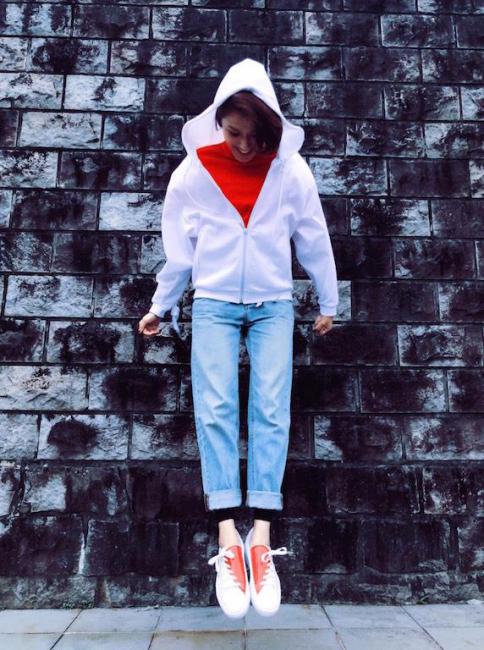
知性演員林意箴以溫暖的話語,說出自己對愛的看法,和 PUMA 一起號召鼓勵女孩:「讓我們一起做那個無所畏懼的勇者,掙脫框架,自由說愛。」
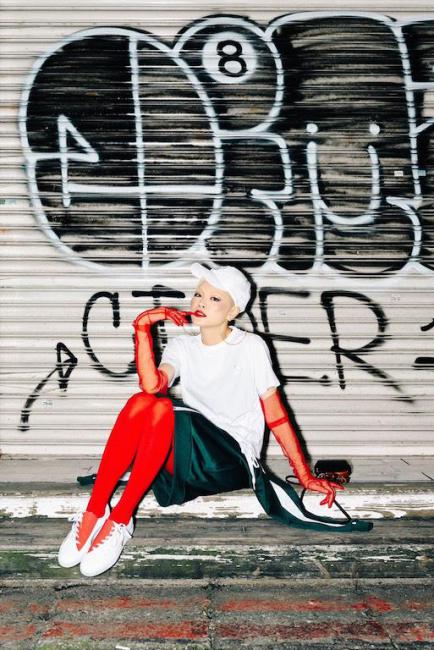
韓異國戀部落客金老佛爺,來台多年克服了國籍、文化差異成為道地台灣媳婦,她認為愛本來就不容易,因此特別喜歡鞋款的愛心拼接設計:「只要找到契合的人,無關乎社會的刻板印象,我們都能拼出完美的愛情」;前衛造型師 Judy Chou 將松木綠立領外套綁在腰際,帥氣變身裙裝,搭配紅色透膚絲襪及紅白愛心鞋,大膽的穿搭不僅展現自我,也傳達她致力為愛發聲的態度:「當我們開始愛自己,才會得到別人的愛,『彩虹很美,不要害怕讓人看到他。』」
而經常在社群平台放閃羨煞網友們的同性情侶理恩 & Ting 也穿上 PUMA Basket Crush 一左一右拼出愛心,表示:「無論身處哪個框架中,打破它,我就是愛你的靈魂!」用甜蜜誓言宣示自己的愛情;知性演員林意箴更以溫暖的話語,說出自己對愛的看法,和 PUMA 一起號召鼓勵女孩:「讓我們一起做那個無所畏懼的勇者,掙脫框架,自由說愛」。
PUMA BASKET CRUSH